
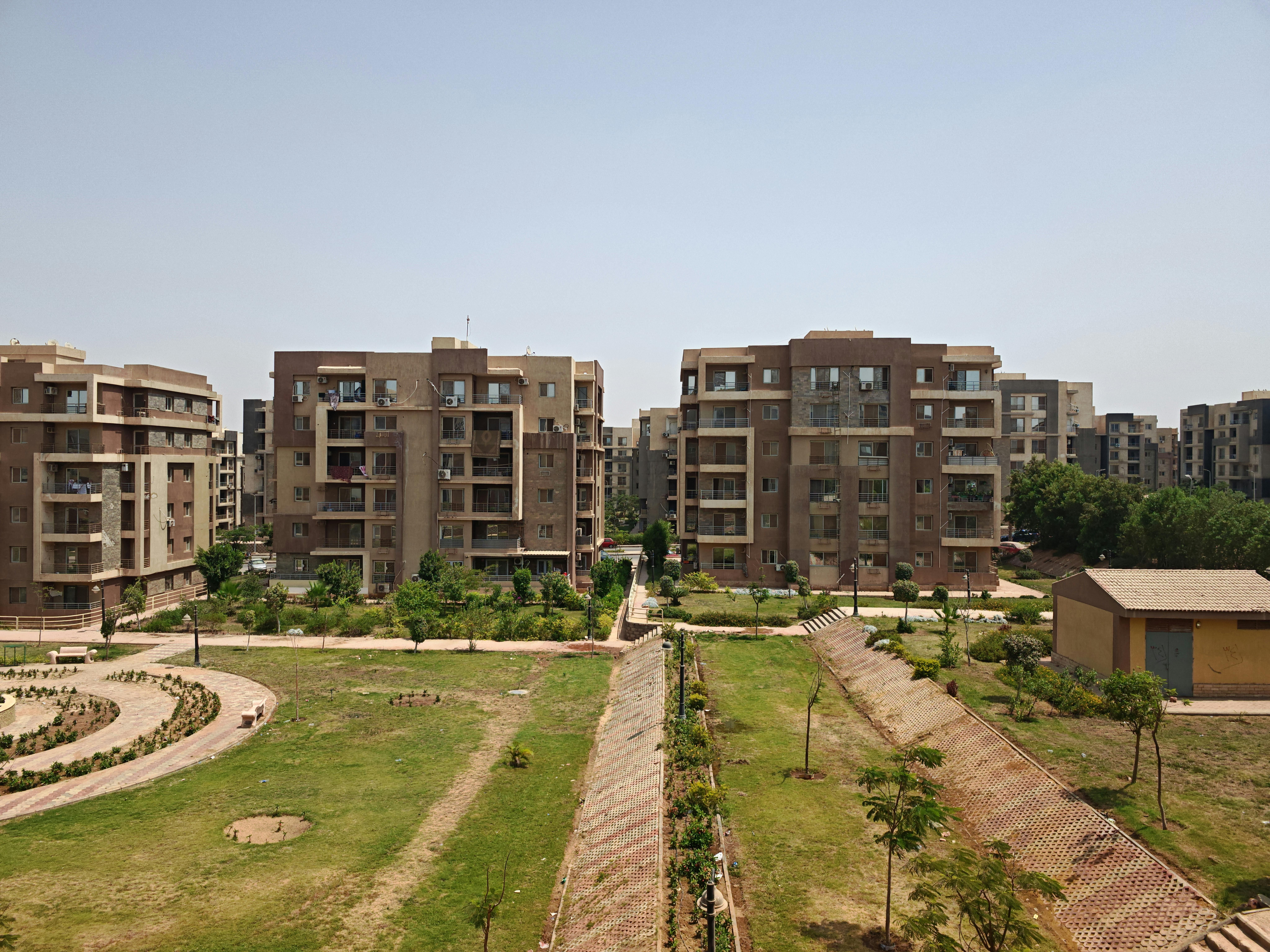
Tired of sky-high prices and maintenance headaches for your dream vacation home? Discover how fractional ownership is revolutionizing luxury real estate investment in 2026, offering smart investors a pathway to exclusive properties, diversified portfolios, and hassle-free enjoyment. Compare the top platforms and strategies for co-owning prime real estate assets.
Introduction to the Topic
The year 2026 brings with it a fascinating evolution in how we perceive and acquire high-value assets. For decades, the dream of owning a luxury vacation home or a prime investment property has been just that for many: a dream, often marred by astronomical upfront costs, ongoing maintenance burdens, and the inconvenient reality that these properties sit vacant for much of the year. But what if there was a smarter, more accessible way to step into the world of exclusive real estate without the traditional financial shackles and operational headaches?
Welcome to the era of fractional property ownership – a sophisticated, increasingly popular model that is reshaping the luxury real estate market. Forget the outdated notions of timeshares; fractional ownership in 2026 is a meticulously structured, legally sound approach to co-owning tangible real estate assets. It’s designed for the modern investor who values smart asset utilization, diversified portfolios, and the ultimate flexibility to enjoy world-class properties without the 100% commitment of sole ownership. As economic landscapes shift and the desire for experiential luxury grows, understanding this trend isn't just about finding a good deal; it's about embracing the future of property investment.
Backgrounds & Facts
Fractional ownership, at its core, involves dividing a high-value asset, such as a luxury home, yacht, or private jet, into deeded shares. Each owner legally owns a portion of the property, typically corresponding to a certain amount of usage time per year. Unlike timeshares, which often grant usage rights rather than actual ownership, fractional ownership provides a true equity stake in the property. This means owners benefit from potential appreciation, can sell their share, and have a say in the property's management, often through a professional management company or an owners' association.
The concept isn't entirely new, but its recent surge in popularity, especially in the luxury real estate sector, is undeniable. By 2026, the fractional ownership market for high-end homes has matured significantly. Driven by a combination of factors – escalating property values in desirable locations, the increasing acceptance of asset-sharing models, and a growing emphasis on flexibility post-pandemic – more investors are turning to this model. Industry reports indicate a compound annual growth rate (CAGR) for luxury fractional real estate north of 15% between 2023 and 2026, with market valuations reaching tens of billions globally. This growth is fueled by a demographic shift: discerning buyers who seek premium experiences and smart financial strategies over the traditional, often inefficient, sole ownership of multi-million dollar vacation homes.
Key differentiating factors that have propelled fractional ownership beyond the timeshare stigma include:
- Deeded Ownership: Owners hold a legal title to a fraction of the property, not just a right-to-use.
- Higher Quality Properties: Fractional offerings almost exclusively focus on prime, high-end, often newly renovated or purpose-built luxury homes.
- Professional Management: Most platforms provide comprehensive property management, maintenance, and concierge services, eliminating owner headaches.
- Favorable Resale Market: While not as liquid as traditional real estate, a secondary market for fractional shares is developing, offering more flexibility than timeshares.
- Limited Number of Owners: Typically, a fractional property has 4 to 12 owners, ensuring ample usage time for each.
This model is particularly attractive for properties in coveted destinations like Aspen, Lake Tahoe, Tuscany, St. Barts, or high-demand urban centers, where outright purchase is prohibitive for many, yet the desire for regular access is strong. It's truly a win-win: owners gain access to unparalleled luxury, and the property's utilization rate dramatically improves.
Expert Opinion / Analysis
“In 2026, fractional ownership isn't just a niche; it's a mainstream smart investing strategy for luxury real estate,” states Dr. Anya Sharma, a leading PropTech economist and author of 'The Decentralized Home.' “We've seen a fundamental shift in buyer psychology. The younger generation of affluent investors, alongside seasoned wealth managers, are prioritizing efficient asset utilization and portfolio diversification. Why tie up $10 million in a single vacation home you use two months a year when you can own multiple fractions across different prime locations for the same capital outlay, enjoying diverse experiences and spreading your investment risk?”
Dr. Sharma emphasizes the financial prudence behind the trend. “The capital required for outright ownership of a luxury property can be deployed more strategically. With fractional ownership, investors free up capital that can be allocated to other ventures, or even to acquire shares in multiple properties, diversifying their luxury portfolio. Furthermore, the professional management aspect is a huge draw. The headache of coordinating repairs, landscaping, cleaning, and local staff for a second home is completely offloaded, allowing owners to truly relax and enjoy their investment.”
However, she also cautions potential investors. “While the benefits are clear, due diligence is paramount. The platform or legal structure you choose for your fractional ownership can make or break your experience. Transparency in fees, clear exit strategies, and robust dispute resolution mechanisms are non-negotiable. Investors should also consider the specific property's location and potential for appreciation, as well as the financial stability and track record of the fractional ownership company. It's still real estate, and market dynamics apply.”
The rise of blockchain technology is also playing a role. “We're seeing early adopters explore tokenized fractional ownership,” Dr. Sharma adds. “While still nascent for physical luxury homes, the promise of immutable ownership records, streamlined transactions, and enhanced liquidity through secondary markets built on blockchain could redefine the fractional ownership landscape by the end of the decade. For 2026, however, the established platforms offering direct deeded fractional ownership remain the most reliable and widely accepted options.”
💰 Best Options in Comparison (VERY IMPORTANT)
For the savvy investor looking to dive into luxury fractional ownership in 2026, the market offers several compelling pathways. Each comes with its own set of advantages, catering to different levels of involvement, property preferences, and investment goals. Here, we compare the leading models and platforms that are defining the space:
-
1. Dedicated Luxury Fractional Platforms (e.g., 'Elysium Homes,' 'Veridian Properties')
These platforms curate a portfolio of multi-million dollar luxury homes in highly desirable destinations. They purchase the homes, renovate them to impeccable standards, and then sell individual shares (typically 1/8 to 1/4) to a small group of co-owners. They handle all aspects of property management, maintenance, scheduling, and concierge services. This is the most hands-off and polished experience.
- Pros: Turnkey solution, pristine properties, professional management, established legal frameworks, often includes concierge services.
- Cons: Higher upfront cost per share compared to DIY, platform-specific rules, less control over property alterations.
- Ideal For: Busy professionals, those seeking hassle-free luxury, investors who value convenience and premium service.
-
2. Co-Ownership Facilitation Services (e.g., 'Shared Estates Legal,' 'Co-Own Capital')
These services don't own the properties themselves but facilitate the legal and operational aspects for groups of individuals who want to co-own a specific property. They help structure the legal agreements (Tenancy in Common, LLCs), set up management protocols, and often connect potential co-owners. This model offers more customization but requires more initial coordination among owners.
- Pros: Greater flexibility in property choice, lower platform fees, more control for owners, can be tailored to existing groups of friends/family.
- Cons: Requires more owner involvement in decision-making, finding compatible co-owners can be challenging, management responsibility often falls to an owner or third-party hire.
- Ideal For: Groups of friends/family, investors who want more input on property selection and management, those comfortable with a more collaborative approach.
-
3. Emerging Blockchain-Based Fractionalization (e.g., 'DecentraProp,' 'Tokenized Estates')
While still in its early stages for physical luxury homes, 2026 is seeing the rise of platforms leveraging blockchain for fractional ownership. These platforms tokenize real estate, representing ownership shares as digital tokens. This promises enhanced liquidity, transparent ownership records, and potentially lower transaction costs. The underlying legal structure still needs to connect the digital token to a real-world asset.
- Pros: Potential for higher liquidity, transparent and immutable ownership records, lower transaction fees in the long run, innovative investment approach.
- Cons: Regulatory uncertainty, market volatility of tokens, less established legal precedent for real-world enforcement, still requires robust property management.
- Ideal For: Tech-savvy investors, early adopters, those comfortable with digital assets and the evolving Web3 landscape.
To help you make an informed decision, here’s a comprehensive comparison of these top options:
| Feature | Dedicated Luxury Platforms | Co-Ownership Facilitation Services | Blockchain-Based Fractionalization |
|---|---|---|---|
| Property Sourcing | Platform curates & acquires prime luxury homes. | Owners find property; service facilitates legal setup. | Platform sources or tokenizes existing properties. |
| Ownership Structure | Direct deeded fractional ownership (e.g., LLC). | Tenancy in Common (TIC) or LLC among owners. | Tokenized ownership linked to legal entity. |
| Minimum Investment | $500,000 - $3,000,000+ per share. | $200,000 - $1,500,000+ per share (varies widely). | $50,000 - $1,000,000+ per token/share (lower entry point possible). |
| Property Management | Fully managed by platform, concierge included. | Owner-managed or outsourced by owner group. | Often outsourced; platform may offer basic coordination. |
| Usage Scheduling | Proprietary app/system, often dynamic and flexible. | Agreed upon by owners, often rotating or fixed. | Platform-based, potentially integrated with smart contracts. |
| Exit Strategy | Sell share independently or via platform's resale market. | Sell to new co-owner (with group approval) or entire property sale. | Sell tokens on secondary digital marketplaces. |
| Liquidity | Moderate, improving secondary market. | Low, dependent on finding a suitable buyer or group consensus. | Potentially higher, but market is still developing. |
| Target Audience | Affluent individuals seeking premium, hassle-free luxury. | Groups, families, or individuals preferring bespoke arrangements. | Tech-forward investors, those seeking diverse, smaller-scale real estate exposure. |
Outlook & Trends
The trajectory for fractional ownership in luxury real estate is upward and diversifying. By 2026, we anticipate several key trends shaping its future:
- Expansion into New Asset Classes: While luxury homes remain dominant, fractional models are expanding into ultra-luxury apartments, private islands, and even commercial properties like boutique hotels or vineyards, offering diversified investment opportunities.
- Technological Integration: Beyond blockchain for ownership, expect more AI-driven property management, predictive maintenance, and personalized concierge services. VR/AR tours will become standard for viewing properties and even for virtual owner meetings.
- Global Reach: Platforms are increasingly offering properties in diverse international locations, catering to a globalized investor base seeking unique experiences and investment diversification across different economies.
- Sustainability Focus: Fractional properties will increasingly emphasize eco-friendly designs, smart energy systems, and sustainable operations, appealing to environmentally conscious investors.
- Regulatory Maturation: As the market grows, regulatory frameworks will continue to evolve, providing clearer guidelines and enhanced investor protection, further legitimizing the model.
The 'sharing economy' ethos, initially popularized by services like Airbnb and Uber, is now ascending the value chain to high-value assets. Fractional ownership is a natural progression, allowing individuals to access and enjoy luxury without the full financial and logistical burden, aligning perfectly with modern lifestyle and investment philosophies.
Conclusion
In a world where exclusive access and smart investing are paramount, fractional property ownership stands out as a powerful solution for acquiring luxury real estate in 2026. It dismantles the traditional barriers of entry, offering a sophisticated blend of affordability, convenience, and genuine ownership in some of the world's most coveted locations. Whether you're a seasoned investor looking to diversify your portfolio, a family dreaming of a recurring luxury getaway, or simply someone seeking to optimize your wealth, the fractional model presents a compelling proposition.
Before making a decision, research the platforms thoroughly, understand the legal structures, and consider your personal usage needs and investment horizon. The future of luxury property ownership isn't about owning 100% of a property you rarely use; it's about owning the right percentage of the right property, at the right time. Explore the options, consult with financial and legal experts, and unlock a smarter, more enjoyable path to luxury living. Your dream vacation home or prime investment property might be just a fraction away.