
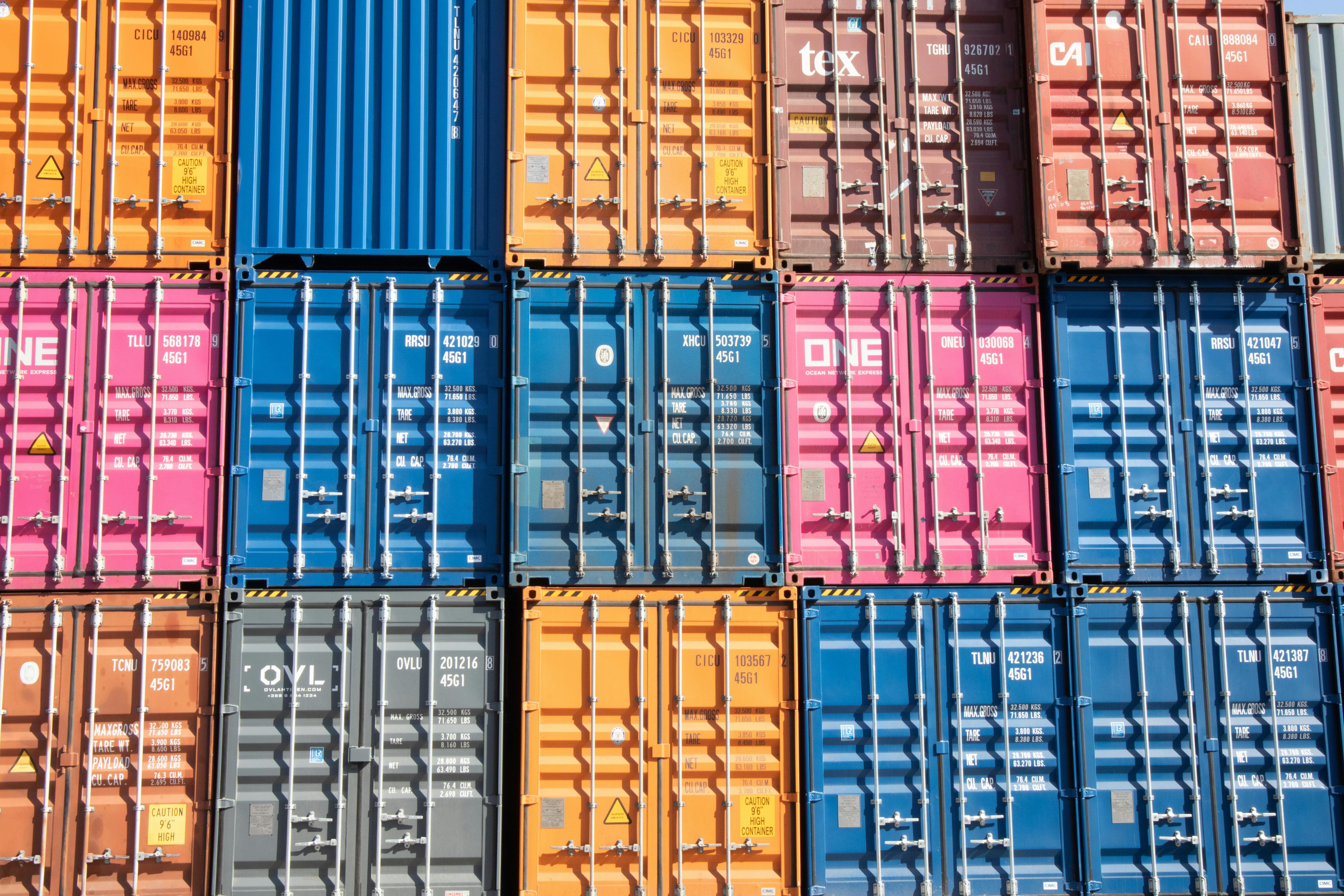
By 2026, Artificial Intelligence and automation are no longer future concepts but essential drivers for global trade. This in-depth guide from lazytalks.com explores how businesses can leverage cutting-edge AI platforms and services to achieve unparalleled efficiency, significant cost-savings, and a decisive competitive edge in their supply chains. Discover the best solutions available to optimize your operations and maximize your ROI.
Introduction to the Topic
The global trade landscape in 2026 is a dynamic, complex, and often unpredictable beast. From geopolitical shifts and climate-related disruptions to rapidly evolving consumer demands and persistent labor shortages, businesses face an unprecedented array of challenges. For years, companies have grappled with manual processes, siloed data, and reactive decision-making, leading to inefficiencies, increased costs, and missed opportunities. But what if there was a way to not only navigate this complexity but to thrive within it, turning challenges into pathways for exponential growth and profit?
Enter the era of Artificial Intelligence (AI) and advanced automation. What was once the domain of science fiction is now the strategic imperative for every forward-thinking enterprise involved in global commerce. By 2026, AI isn't just a buzzword; it's the operational backbone for resilient, efficient, and highly profitable supply chains. This revolution promises to unlock trillions in value, transforming everything from demand forecasting and logistics to customs compliance and trade finance. For companies looking to secure their future, achieve significant cost reductions, enhance operational speed, and gain a formidable competitive advantage, understanding and implementing AI and automation is not an option – it's a necessity. lazytalks.com dives deep into this transformative trend, offering insights and actionable comparisons to help you make the smartest investment decisions for your business.
Backgrounds & Facts
The journey towards an automated global trade system didn't begin overnight. For decades, advancements like Electronic Data Interchange (EDI) and Enterprise Resource Planning (ERP) systems laid the groundwork for digital information exchange. However, these systems often lacked the intelligence to adapt, learn, or predict. The true paradigm shift began with the maturation of AI technologies: Machine Learning (ML), Robotic Process Automation (RPA), Natural Language Processing (NLP), and advanced predictive analytics.
By 2026, the integration of these technologies into global trade operations has moved beyond pilot projects to widespread adoption. Market research indicates that the global AI in supply chain market is projected to exceed $20 billion by 2027, growing at a CAGR of over 25% from 2022. This explosive growth is fueled by tangible benefits:
- Enhanced Demand Forecasting: AI algorithms can analyze vast datasets – historical sales, macroeconomic indicators, social media trends, even weather patterns – to predict demand with unprecedented accuracy, minimizing overstocking and stockouts.
- Optimized Logistics & Route Planning: ML-powered systems dynamically optimize shipping routes, manage fleet maintenance, and even predict potential delays, leading to significant fuel savings and faster delivery times.
- Automated Customs & Compliance: RPA and NLP streamline the complex, document-heavy process of customs declarations, tariff classification, and regulatory adherence, drastically reducing errors and speeding up border crossings.
- Intelligent Trade Finance: AI is transforming areas like invoice processing, fraud detection, and credit risk assessment, making cross-border transactions faster, more secure, and more accessible.
- Proactive Risk Management: Predictive AI models monitor global events (geopolitical tensions, natural disasters, port congestion) to identify potential disruptions before they occur, allowing businesses to pivot and mitigate impact.
The sheer volume of data generated by global trade – from IoT sensors on containers to blockchain-recorded transactions – provides the perfect fuel for AI's learning capabilities. Companies that fail to harness this data with intelligent automation risk being left behind in a rapidly accelerating competitive race, sacrificing potential profits and operational resilience.
Expert Opinion / Analysis
We sat down with Dr. Anya Sharma, a leading expert in supply chain digitalization and author of 'The Algorithmic Advantage in Global Commerce', to understand the strategic implications of this AI tidal wave. "The shift we're witnessing isn't merely technological; it's a fundamental redefinition of competitive advantage," Dr. Sharma explains. "In 2026, a company's ability to leverage AI for end-to-end supply chain visibility and predictive decision-making directly correlates with its market share and profitability. It's no longer about who has the cheapest labor or raw materials, but who can move goods most intelligently and efficiently across borders."
Dr. Sharma highlights several critical areas where AI is making the most profound impact:
- Strategic Agility: "AI empowers businesses to react in real-time to disruptions and proactively adjust strategies. Imagine rerouting an entire cargo fleet based on a predictive model forecasting port congestion three weeks out. This level of foresight was impossible just a few years ago."
- Data-Driven Insights: "The sheer volume of data in global trade is overwhelming for humans. AI sifts through petabytes of information, identifying patterns, anomalies, and opportunities that lead to optimized inventory levels, better supplier negotiations, and even new market entries."
- Cost-Efficiency & ROI: "The initial investment in AI solutions can be substantial, but the return on investment (ROI) is often rapid and significant. We're seeing companies report 15-30% reductions in logistics costs, 10-20% improvements in forecasting accuracy, and dramatic decreases in compliance penalties."
However, Dr. Sharma also cautions against a 'plug-and-play' mentality. "The biggest challenges lie in data quality, integration with legacy systems, and most importantly, workforce reskilling. AI augments human capabilities; it doesn't replace the need for skilled professionals who can interpret its outputs and manage the systems. Companies need robust change management strategies and a commitment to continuous learning." The ethical implications of AI, particularly regarding data privacy and algorithmic bias, are also becoming a major focus, with new regulatory frameworks expected to emerge by the end of the decade.
💰 Best Options in Comparison (VERY IMPORTANT)
Navigating the burgeoning market of AI and automation solutions for global trade can be daunting. To help you make informed purchasing decisions and book the right services, we've broken down the leading options into distinct categories, highlighting their strengths, weaknesses, and ideal use cases. Whether you're a large multinational corporation or a growing SME, there's an AI solution designed to supercharge your trade operations and significantly boost your bottom line.
-
Option 1: Integrated End-to-End AI Supply Chain Platforms – SynergyTrade AI Suite
These comprehensive platforms offer a holistic approach, integrating AI across various modules like demand planning, inventory management, logistics optimization, and trade compliance. They are best suited for large enterprises seeking deep integration and a single source of truth for their global operations.
- Pros: Unrivaled visibility, powerful cross-functional analytics, streamlined workflows, reduced vendor sprawl.
- Cons: High initial investment, complex and lengthy implementation cycles, requires significant internal resources.
- Ideal For: Large enterprises with complex, multinational supply chains looking for a complete digital transformation.
-
Option 2: Specialized AI/Automation Tools – FreightFlow AI Optimizer
These solutions focus on specific pain points within the trade process, such as customs automation, freight management, or trade finance optimization. They are often more agile, easier to implement, and provide quicker ROI for targeted challenges.
- Pros: Faster implementation, lower upfront cost, quick ROI in specific areas, easier integration with existing systems for targeted needs.
- Cons: Limited scope, may require managing multiple vendors for a complete solution, potential integration challenges between different specialized tools.
- Ideal For: Mid-sized businesses or larger companies looking to address specific, high-impact bottlenecks in their trade operations.
-
Option 3: AI Consulting & Implementation Services – GlobalConnect AI Consulting
For companies needing bespoke solutions, strategic guidance, or assistance with complex integrations, engaging expert consulting firms is often the best path. These services help design, implement, and manage custom AI solutions tailored to unique business models and challenges.
- Pros: Highly tailored solutions, expert guidance through complex transformations, risk mitigation, workforce training.
- Cons: Ongoing service fees, success highly dependent on consultant quality, can be costly for long-term engagements.
- Ideal For: Businesses with highly unique supply chain requirements, those lacking internal AI expertise, or companies needing help with change management.
To further aid your decision-making, here's a comparative table of these solution types:
| Feature | SynergyTrade AI Suite (Integrated Platform) | FreightFlow AI Optimizer (Specialized Tool) | GlobalConnect AI Consulting (Service Provider) |
|---|---|---|---|
| Best For | Large enterprises, end-to-end transformation | Mid-sized businesses, targeted problem-solving | Unique requirements, lack of internal expertise, strategic guidance |
| Key Features | Integrated planning, logistics, finance, compliance, predictive analytics | Automated customs, freight optimization, trade finance automation, risk alerts | Custom solution design, integration, implementation, training, change management |
| Typical Cost (Annual) | $100,000 - $1,000,000+ | $10,000 - $150,000 | $50,000 - $500,000+ (project-based/retainer) |
| Implementation Time | 6-24 months | 1-6 months | Varies greatly (3 months to several years) |
| Key Benefit | Maximized efficiency, holistic visibility, strategic decision-making | Rapid ROI in specific areas, quick problem resolution | Tailored solutions, expert support, minimized internal burden |
When comparing products and booking services, consider your current infrastructure, budget, internal expertise, and the specific trade challenges you aim to solve. Many providers offer free consultations or demo versions, allowing you to compare features and assess compatibility before making a significant investment.
Outlook & Trends
Looking ahead to the rest of 2026 and beyond, the evolution of AI and automation in global trade shows no signs of slowing down. Several key trends are poised to further revolutionize the industry:
- Hyper-Automation: The convergence of AI, Machine Learning, Robotic Process Automation (RPA), and the Internet of Things (IoT) will create 'hyper-automated' supply chains. This means machines communicating autonomously, making decisions, and executing tasks with minimal human intervention, from smart warehouses to self-driving freight.
- Predictive Risk Management 2.0: AI will move beyond identifying risks to actively simulating potential outcomes of various disruptions. Digital twins of entire supply chains will allow businesses to test hypothetical scenarios (e.g., a major port closure, a new trade tariff) and optimize their response strategies before they even happen.
- Blockchain for Enhanced Transparency & Trust: While not AI itself, blockchain technology will increasingly integrate with AI systems to provide immutable, transparent records of trade transactions and supply chain movements. AI will then analyze this blockchain data to verify authenticity, track provenance, and ensure compliance, significantly reducing fraud and increasing trust in cross-border trade.
- AI-Powered Trade Finance & CBDCs: The rise of Central Bank Digital Currencies (CBDCs) will likely accelerate AI's role in trade finance. AI will facilitate instant, secure cross-border payments, automate compliance checks for international transactions, and provide dynamic credit assessments, making global trade finance faster and more efficient.
- Sustainable Trade Optimization: AI will play a pivotal role in achieving sustainability goals. By optimizing routes, minimizing waste, predicting equipment failures, and tracking carbon footprints across the supply chain, AI will enable greener trade practices and help businesses meet evolving environmental regulations.
The future of global trade is undeniably intelligent, interconnected, and automated. Businesses that embrace these trends will not only survive but thrive, carving out new efficiencies and profit centers in an increasingly competitive world.
Conclusion
The year 2026 marks a pivotal moment in global trade, where the strategic adoption of AI and automation has transitioned from a futuristic concept to an immediate, critical necessity. Businesses that proactively invest in these transformative technologies are already reaping substantial rewards: unparalleled operational efficiency, significant cost reductions, enhanced risk resilience, and a formidable competitive edge. As global supply chains grow more intricate and volatile, AI offers the clarity, speed, and foresight required to navigate complexity and unlock new avenues for profit.
Whether you opt for a comprehensive, end-to-end platform, a specialized tool to address specific bottlenecks, or expert consulting services to tailor a bespoke solution, the time to act is now. The future of global trade is here, and it’s intelligent. Don't be left behind in the manual past; embrace the AI revolution to optimize your operations, maximize your ROI, and secure your place as a leader in the global marketplace. The investment in AI and automation isn't just an expenditure; it's a strategic move towards a more profitable, resilient, and future-proof enterprise.