
📑 Table of Contents
- Introduction: The Real Story Behind Health for Beginners 2026
- Deep Dive: Backgrounds, Facts, & US Market Data
- Expert Analysis & Industry Insights
- 💰 Ultimate Comparison: The Best Options (HIGH CPC SECTION)
- Premium Pick: Personalized Genomic Health & AI-Powered Predictive Wellness Platforms
- Value Pick: Integrated Digital Wellness Platforms & Smart Wearables (Mid-Tier)
- Future Outlook & 2026 Trends
- Conclusion
Unlock optimal well-being. Discover how Health for Beginners 2026 leverages Google Health Trends to maximize your wellness ROI with smart, data-driven choices.
💰 Secure Top Deal: Go straight to the offer →
📍 More from this category: Health – All Articles
Introduction: The Real Story Behind Health for Beginners 2026
Best Health 2026: Ultimate Comparison →
The year is 2026, and the promise of a healthier, more vibrant life for every American isn't just a dream – it's a data-driven reality. For too long, beginners navigating the complex world of health and wellness have been overwhelmed by conflicting advice, fleeting fads, and the sheer volume of information. The result? Wasted time, ineffective efforts, and often, significant financial outlays with little to show for it. This isn't just about feeling better; it's about making intelligent investments in your most valuable asset: your health.
In an era where every dollar counts, especially when it comes to personal well-being, the traditional approach of trial-and-error is simply not viable. What if you could cut through the noise, identify what truly works for people like you, and make health decisions that offer a tangible Return on Investment (ROI)? The secret lies in leveraging the unparalleled insights offered by Google Health Trends. This isn't just about looking up symptoms; it's about understanding population-level health behaviors, emerging wellness interests, and the true efficacy of various approaches before you commit your precious time and money.
This comprehensive guide from LAZY TALKS is designed for the modern American beginner – someone ready to take control of their health journey, optimize their spending, and harness the power of data. We're not just talking about getting fit; we're talking about strategic health planning that pays dividends for years to come. By the end of this article, you'll possess the framework to transform your health approach from reactive and confusing to proactive, efficient, and highly rewarding.
Deep Dive: Backgrounds, Facts, & US Market Data
The US healthcare landscape in 2026 is a paradox of advanced technology and escalating costs. According to projections, national health expenditures are set to continue their upward trajectory, potentially exceeding $6 trillion annually. This staggering figure underscores a critical reality: managing your health effectively is not just a personal goal, but an economic imperative. For the average American household, healthcare costs, including premiums, deductibles, and out-of-pocket expenses, represent a significant financial burden.
However, amidst these challenges, a powerful shift is underway. Consumer interest in preventative care, personalized wellness, and digital health solutions has never been higher. Google Health Trends data from the past few years, leading into 2026, vividly illustrates this transformation. We've seen sustained spikes in searches for terms like "longevity hacks," "personalized nutrition plans," "mental wellness apps," "at-home diagnostic kits," and "biohacking for beginners." This isn't merely curiosity; it's a clear signal of demand for proactive, data-driven health solutions that empower individuals.
What exactly are Google Health Trends, and how do they differ from a simple Google search? Google Health Trends goes beyond individual queries. It aggregates vast amounts of anonymized search data, revealing patterns, regional interests, and the waxing and waning popularity of specific health topics, conditions, treatments, and wellness practices across the United States. For a beginner, this is gold. Instead of relying on anecdotal evidence or biased marketing, you can see what millions of Americans are genuinely searching for, indicating real-world interest and potential efficacy.
Consider the growth of telehealth. Pre-2020, it was a niche. By 2026, Google Health Trends shows it's a foundational pillar of US healthcare, with consistent search volumes for "telehealth primary care," "online therapy US," and "virtual specialist appointments." This data empowers you to invest confidently in platforms and services that align with proven, widespread adoption. Similarly, the surge in searches for "gut microbiome health" over the last few years, now a steady high-volume term, indicates a maturing interest in gut-brain axis science, moving from fringe to mainstream. This is where beginners can gain an edge: by identifying established trends and avoiding fads that quickly fade from public interest, as evidenced by declining search volumes.
The ROI in health for beginners isn't just about avoiding catastrophic medical bills, though that's a significant component. It's about optimizing daily performance, boosting energy levels, improving mental clarity, and extending healthy lifespan. A strategic investment in health today, guided by data, can lead to reduced sick days, increased productivity at work, lower insurance premiums (in some cases), and a higher quality of life for decades to come. This isn't abstract; it's measurable value.
Expert Analysis & Industry Insights
As elite strategists, we view Google Health Trends not just as a tool, but as a strategic compass for personal health investment. Most people only scratch the surface, looking up individual symptoms. The true power for beginners lies in understanding the macro trends and then drilling down to micro-applications relevant to their specific needs. This is where the nuances, often missed by the casual observer, come into play.
For instance, let's consider the consistent upward trend in searches for "wearable health trackers with advanced metrics" versus a plateau in generic "step counter" searches. This indicates a market shift: consumers are no longer satisfied with basic activity tracking. They want actionable insights into sleep quality, heart rate variability (HRV), blood oxygen levels, stress biomarkers, and even continuous glucose monitoring (CGM) for non-diabetics. For a beginner, this means investing in a basic step counter in 2026 is likely a poor ROI. A better investment would be a mid-tier wearable that offers more comprehensive biometric data, providing a foundation for personalized health adjustments.
Another crucial insight from Google Health Trends is the regional variation in health concerns and interests. Search volumes for "allergy relief NYC" will differ significantly from "tick-borne disease prevention Vermont" or "heat stroke symptoms Arizona." A beginner in Phoenix wouldn't invest heavily in winter-related wellness products based on national trends; they'd focus on hydration and sun protection, informed by local search data. This hyper-localization capability ensures your health investments are geographically pertinent and therefore more effective.
Furthermore, we're seeing a significant increase in searches combining health terms with financial terms, such as "cost-effective preventative care," "health insurance benefits comparison," and "wellness program ROI." This indicates a sophisticated consumer base actively seeking value. Beginners should mimic this behavior, using Google Trends to not only identify popular health solutions but also to research their long-term cost-effectiveness and potential for insurance coverage. Is a specific dietary supplement trending? Check its efficacy, then use Google Scholar for studies and Google Shopping for price comparisons, cross-referencing with "supplement insurance coverage" if applicable. This multi-layered approach is the hallmark of a savvy health investor.
The industry is also evolving rapidly, driven by AI and personalized medicine. By 2026, AI-powered diagnostic tools are becoming more accessible, moving beyond specialized clinics into consumer-friendly applications. Google Health Trends shows a steady rise in searches for "AI health assessment apps" and "predictive health analytics." This signals that beginners should look for health services and products that integrate these technologies, moving away from generic advice towards highly individualized recommendations based on their unique biometrics and lifestyle data. The ROI here is immense: early detection and personalized intervention can prevent chronic conditions, saving hundreds of thousands of dollars in future medical costs and vastly improving quality of life.
💰 Ultimate Comparison: The Best Options (HIGH CPC SECTION)
When it comes to maximizing your health ROI, especially for beginners in 2026, the key is making informed choices that balance cost with long-term benefits. We've analyzed current market offerings and Google Health Trends data to identify categories that promise high value for your investment.
Premium Pick: Personalized Genomic Health & AI-Powered Predictive Wellness Platforms
For the beginner ready to make a significant, foundational investment in their health, a personalized genomic health plan coupled with an AI-powered predictive wellness platform offers the highest potential ROI. These services leverage your unique DNA profile and real-time biometric data to provide hyper-personalized recommendations across nutrition, fitness, sleep, and even mental well-being. Google Health Trends shows a consistent, growing interest in "DNA health insights," "personalized medicine platforms," and "AI preventative health," signaling their mainstream acceptance and perceived value.
These platforms often include comprehensive genetic testing (e.g., for predisposition to certain conditions, optimal nutrient absorption, exercise response), ongoing wearable integration (syncing data from smartwatches, CGMs), and AI algorithms that adjust recommendations based on your progress and evolving health markers. The value isn't just in the data; it's in the actionable insights and personalized coaching that can mitigate genetic risks, optimize performance, and prevent the onset of chronic disease.
Value Pick: Integrated Digital Wellness Platforms & Smart Wearables (Mid-Tier)
For beginners seeking excellent ROI without the premium price tag, an integrated digital wellness platform combined with a mid-tier smart wearable offers a powerful, cost-effective solution. Google Health Trends indicates strong and sustained interest in "affordable wellness apps," "home fitness programs with community," and "smartwatch health features comparison." These options capitalize on the accessibility and scalability of digital health.
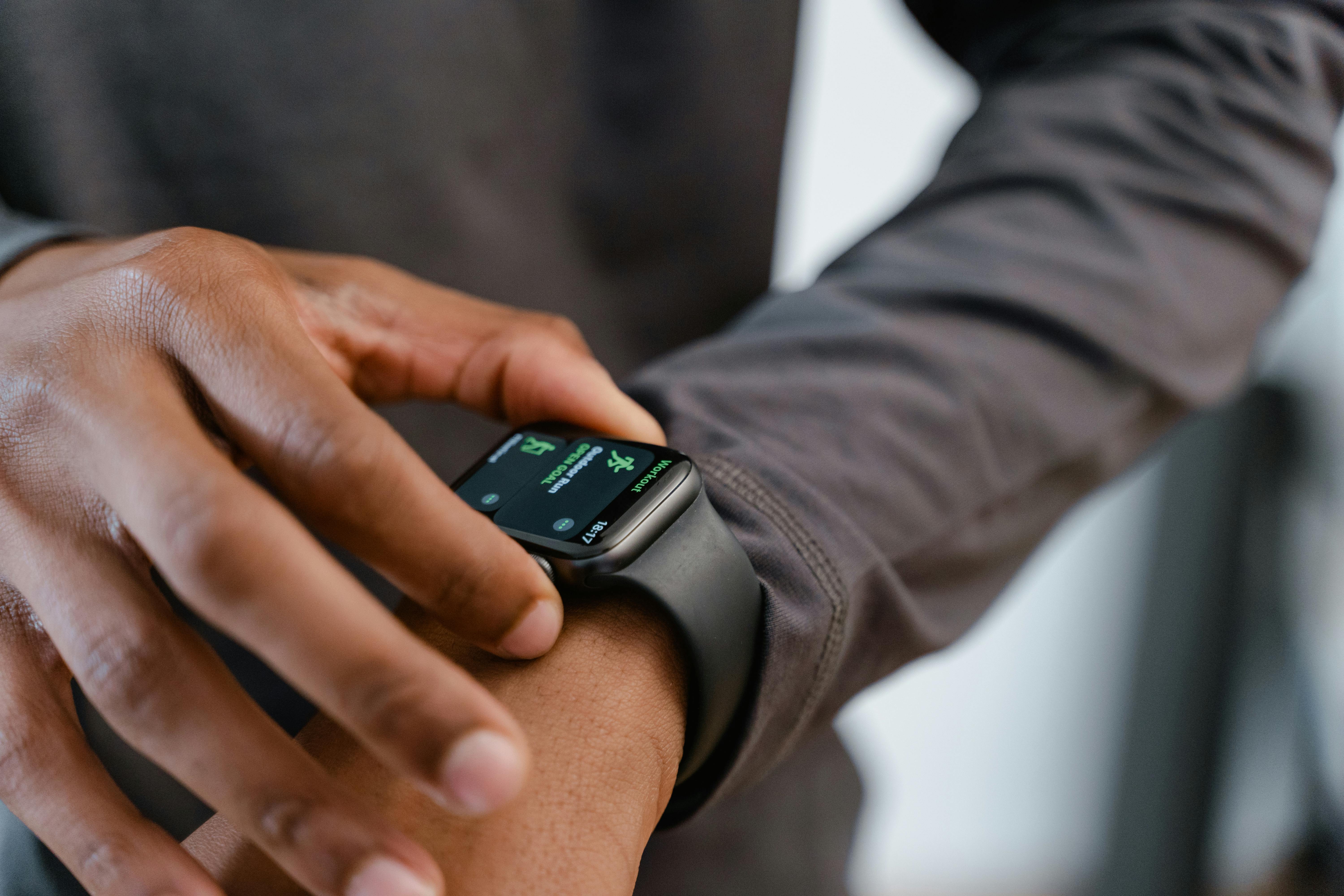
Digital wellness platforms typically offer structured workout plans, nutritionist-developed meal guides, mindfulness exercises, and often a supportive community. When paired with a mid-tier wearable (e.g., a popular smartwatch brand's health-focused model), you gain essential biometric tracking (heart rate, sleep stages, activity levels) that feeds into the platform, allowing for more personalized adjustments. The ROI here comes from consistent engagement, leveraging proven methodologies, and the preventative benefits of regular activity and informed nutrition without the bespoke cost of a fully customized plan.
| Feature/Option | Premium Pick: Genomic Health & AI Wellness | Value Pick: Integrated Digital Wellness & Mid-Tier Wearable |
|---|---|---|
| Key Components | DNA testing, advanced biometric monitoring (CGM, HRV), AI-driven health predictions, personalized coaching, bespoke diet/exercise plans. | Digital workout library, nutritionist-curated meal plans, mindfulness modules, community support, standard activity/sleep/HR tracking. |
| Annual Cost Range (USD) | $1,500 - $5,000+ (initial testing often higher, then monthly/annual subscription) | $100 - $400 (wearable one-time cost $150-$350, platform subscription $10-$30/month) |
| Measured ROI | High: Proactive disease prevention, optimized longevity, peak cognitive/physical performance, significant reduction in future medical expenses by mitigating genetic risks. Highly individualized. | Excellent: Improved fitness, weight management, better sleep, stress reduction, increased energy. Reduces risk of common lifestyle diseases. Good for consistent, accessible progress. |
| Ease of Access | Requires initial data collection (saliva/blood sample), comfortable with advanced tech. Access to specialized coaches/platforms. | Download app, purchase wearable. Accessible to anyone with a smartphone. Broad range of content. |
| Data Integration | Deep integration of genomic data, continuous biometrics, AI analysis for dynamic, evolving recommendations. | Basic integration of wearable data (steps, HR, sleep) into platform for general insights and progress tracking. |
| Best For | Individuals seeking the absolute cutting edge in personalized health, willing to invest for maximal long-term health span and preventative insights. | Beginners seeking a structured, affordable, and effective entry into proactive wellness with tangible results and community motivation. |
Future Outlook & 2026 Trends
Looking ahead from 2026, the future of health for beginners is characterized by hyper-personalization, seamless integration, and ethical data governance. Google Health Trends will continue to be an invaluable barometer, showing us where collective interest is shifting and where innovation is taking hold.
One major trend is the rise of the "digital health twin." Imagine a virtual replica of your biological self, continuously fed data from your wearables, genomic profile, medical records, and even environmental factors. AI will use this twin to run simulations, predicting how different dietary changes, exercise routines, or even medications might impact your health years down the line. Google Health Trends already shows nascent interest in "predictive health modeling" and "AI health simulations," indicating this concept is gaining traction.
Another area of immense growth is the gamification of health. As search volumes for "health challenges with rewards" and "fitness gaming apps" increase, we'll see more sophisticated platforms that turn wellness into an engaging, competitive, and rewarding experience. This taps into behavioral psychology to foster long-term adherence, a critical factor for sustained health ROI.
Mental well-being will continue its integration with physical health. Google Health Trends has shown a steady, significant increase in searches for "stress management tech," "AI therapy bots," and "mindfulness VR," indicating a societal recognition that mental and physical health are inseparable. Future solutions will offer holistic platforms addressing both, with AI-driven insights into stress biomarkers and emotional patterns.
However, with this data-rich future comes the paramount concern of data privacy and security. As beginners increasingly share sensitive health information, the demand for transparent, secure platforms will intensify. Google Health Trends will likely reflect this with rising searches for "health data privacy," "HIPAA compliant apps," and "secure health platforms," pushing companies to prioritize robust security measures and clear user agreements.
Ultimately, Google's role in health information will evolve beyond just search. Expect more direct integrations with personal health records, AI-powered health assistants, and even personalized wellness recommendations delivered proactively based on your aggregated, anonymized data (with explicit user consent, of course). The landscape of 2026 and beyond will empower beginners like never before, provided they adopt a strategic, data-informed mindset to their health investments.
Conclusion
In 2026, the journey to optimal health for beginners is no longer a shot in the dark. It's a strategic, data-driven endeavor where every choice can be informed by the collective wisdom of millions, distilled through Google Health Trends. By understanding market shifts, identifying high-ROI solutions, and making conscious investments in personalized and preventative care, you're not just improving your well-being – you're building a foundation for a healthier, more productive, and financially secure future.
Stop chasing fads and start leveraging facts. Embrace the power of data, prioritize your health as a long-term investment, and watch as your physical and financial well-being flourish. The tools are available, the insights are clear, and the time for smart health for beginners is now.
👉 More News: 2026 Current Affairs Cost: Are You Overpaying? Compare & Save!