
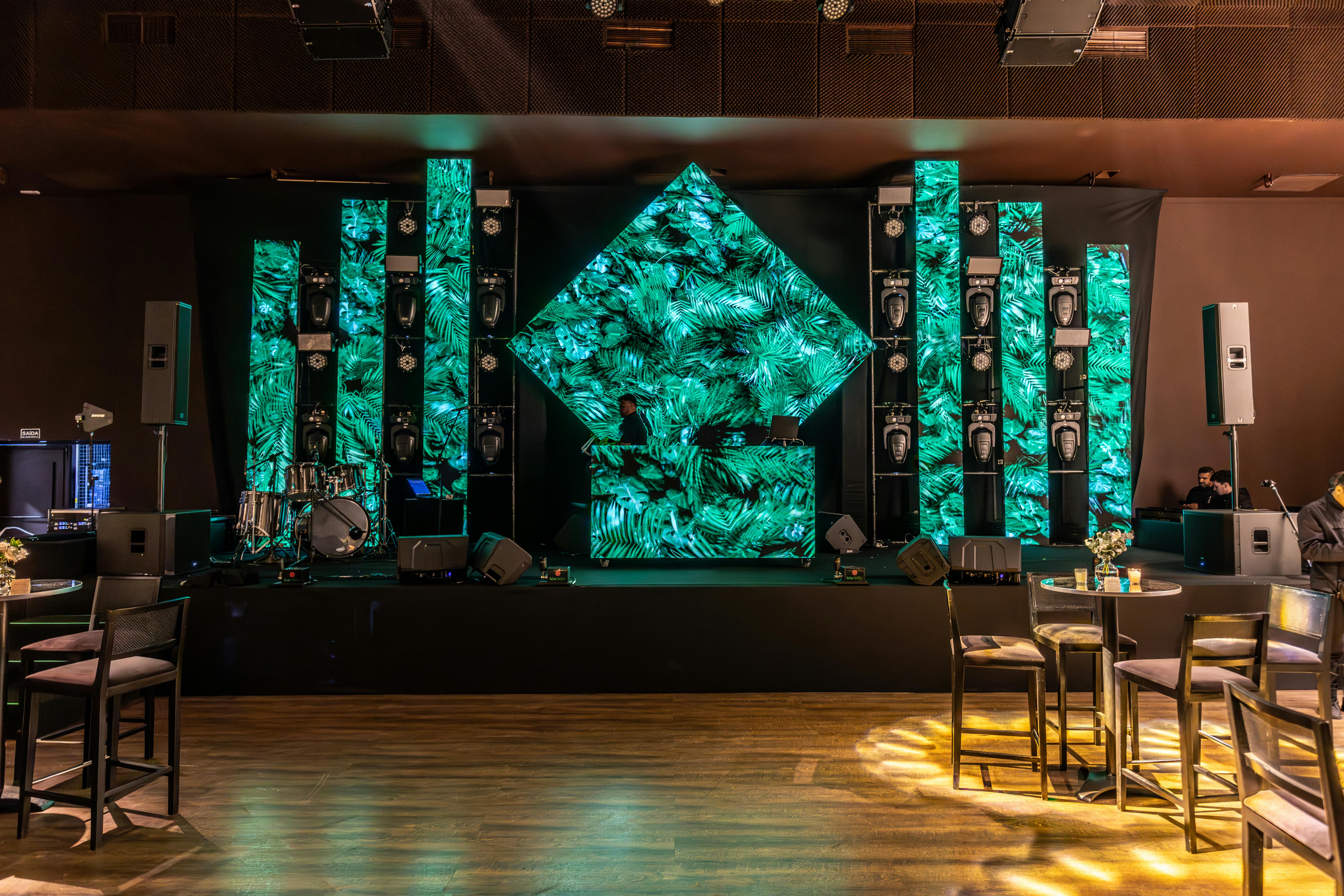
A filmed stand-up set is almost always recorded across two consecutive performances rather than one. The reason is the edit, and the fact that a single live take is a fragile thing to build an hour on.
One performance rarely holds all the way through
An hour of stand-up contains dozens of separate pieces, and on any given night some of them land while others arrive slightly early, slightly slow, or into a room that has gone quiet.
A comic cannot reset and try a bit again in front of the same audience, because the surprise is spent the moment the punchline has been heard once.
Recording the same hour twice produces two independent attempts at every single joke, and the editor selects whichever version worked, which is impossible from one night alone.
The edit needs matching coverage
Cameras cannot occupy every position at once, and a shot from the wings during one performance may be exactly what a moment needs while nothing usable exists from the front.
With two takes the camera plan can be varied deliberately, putting operators in different places on each night so the cutting room has genuine choice rather than repetition.
Because the material is the same both nights, shots from the two performances can be intercut so long as the wardrobe, staging and lighting are held identical.
Audiences behave differently from night to night
A room's response depends on how it filled, how long people queued, what the support act did and how much of the crowd already knows the comic's work.
A flat audience is not a fault the performer can fix, and laughter is part of the recording rather than something that can be added convincingly afterwards.
Two rooms give the production an insurance policy against one of them being subdued, which for a single-night shoot would be an unrecoverable problem.
The rig is expensive to build and cheap to reuse
Lighting, multiple cameras, sound capture and a control position take a day or more to install in a theatre, and that cost is incurred whether one show is taped or two.
Once the rig exists, the marginal expense of a second performance is the venue for another evening and the crew's time, which is small against the setup.
Selling two nights also spreads the ticketing across more seats, which helps cover the production and puts a full room in front of the cameras twice.
The order of the set is decided afterwards
Comics generally run the same sequence both nights so that callbacks and running themes remain coherent no matter which take is used for a given section.
Small variations are still recorded deliberately, including alternative tags on a joke, which gives the edit options that were planned rather than accidental.
What reaches the audience at home is therefore a composite performance, assembled from two real evenings and shaped by choices made long after the theatre has emptied.